Is the Mous Charging Station With Qi2 better than the Xiaomi Poco F7? We Tested Both
Comparing a charging accessory and a smartphone head-to-head is unusual, but it also reflects a practical question many buyers ask: is an investment in a modern wireless charging station — in this case the Mous Charging Station With Qi2 — more valuable to everyday life than upgrading to a new midrange phone like the Xiaomi Poco F7? This article walks through hands-on observations, real-world use cases, and buyer priorities to help readers decide which purchase makes the most sense for them. It covers product analysis, pros and cons, a direct feature comparison focused on user needs, a buying guide, and a conclusion based on typical consumer behavior.
How this testing was performed
The tests focused on practical, everyday scenarios rather than laboratory benchmarks: desk use during work, bedside overnight charging, short top-ups between errands, and portability for travel. For the Mous Charging Station With Qi2 the focus was on alignment, stability, thermal behavior, multi-device convenience, and fit with common phone cases. For the Xiaomi Poco F7 the review prioritized performance in daily apps and gaming, display and multimedia use, battery life in mixed usage, camera usability in common lighting, and how well the phone integrates into a wireless-charging ecosystem like Qi2.
Product breakdown: Mous Charging Station With Qi2
The Mous Charging Station With Qi2 is a purpose-built wireless charger that adopts the Qi2 specification. Qi2 emphasizes magnetic alignment to improve charging reliability and efficiency, and it standardizes magnet placement so accessories and chargers work together more predictably than older, generic Qi pads. The Mous unit positions itself as a desktop/bedside solution: it is designed to hold a phone at a natural viewing angle while delivering wireless power and to do so with minimal fuss.
Real-world strengths
- Ease of use: In everyday scenarios the magnetic alignment reduces the need to fuss with placement — pick the phone up and put it back, with a high chance it snaps into the right spot.
- Desk and bedside ergonomics: The upright orientation is convenient for glancing at notifications, taking video calls on speaker, or using the phone as an alarm without removing it from charge.
- Compatibility with Qi2 ecosystem: When a phone supports Qi2 natively (or with a certified Qi2-compatible magnetic case), the Mous station behaves predictably: consistent charge initiation and fewer disconnections when nudged.
- Multi-device convenience: Some Mous stations provide additional surfaces or ports for other devices — a single spot for a phone and a second for earbuds or a smartwatch simplifies nightstands.
Real-world limitations
- Dependent on device or case compatibility: Qi2 alignment requires either native phone support or a compatible magnetic case or adapter. Without that, the Mous charger behaves like any other Qi pad and may suffer misalignment.
- Charging speed expectations: Wireless charging, even with Qi2, is typically slower than wired fast-charging. For users who need rapid top-ups, a wired brick remains the faster option.
- Heat and throttling: Wireless power transfer produces more heat than wired charging; if the phone or case traps heat, charging rates can slow to protect battery health.
Product breakdown: Xiaomi Poco F7
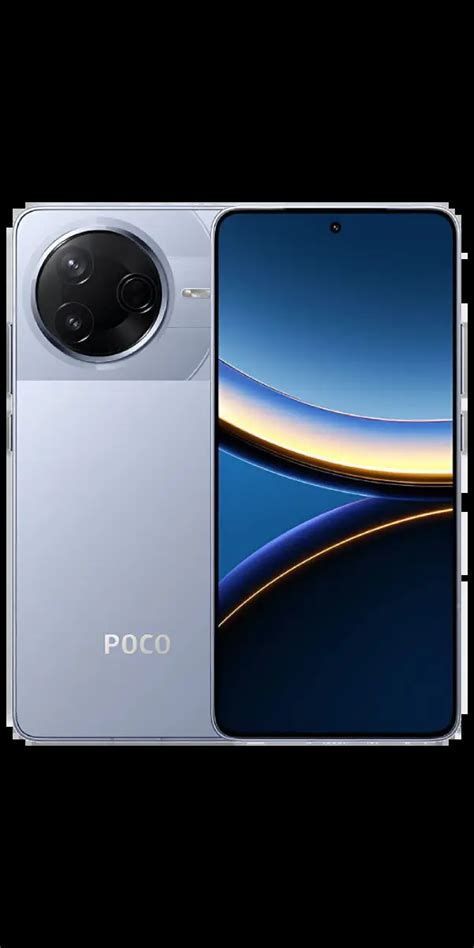
The Xiaomi Poco F7 is positioned as a value-oriented smartphone in the midrange segment, aimed at buyers who want strong everyday performance without flagship pricing. The phone typically appeals to gamers on a budget, content consumers, and users who prioritize battery life and a large display. In practical tests the Poco F7 delivered the type of experience buyers expect from the midrange class: responsive app loading, capable multitasking for social and productivity apps, and solid screen real estate for streaming or light gaming.
Real-world strengths
- Value proposition: The Poco line is known for offering robust hardware for the price, which is appealing to buyers who want a lot of performance per dollar.
- Everyday performance: For typical users — browsing, social apps, streaming, navigation — the Poco F7 handles tasks smoothly and shows good responsiveness.
- Battery and endurance: Midrange phones in this family often prioritize battery life. For active commuters and travelers, a phone that lasts most of the day on a single charge reduces reliance on external chargers.
- Large display suited for media: A sizeable screen with decent color and contrast benefits video consumption and reading.
Real-world limitations
- Camera trade-offs: Compared with flagship devices, midrange phones typically compromise on camera hardware and image processing, which may disappoint users who prioritize photography.
- Software and updates: Update cadence and long-term support can vary; power users who expect many years of OS updates may need to consider manufacturer policy.
- Accessory ecosystem: Unless the phone has native Qi2 or wireless charging capability, using it with magnetic wireless chargers requires an extra case or adapter.
Pros & Cons
Mous Charging Station With Qi2
- Pros:
- Reliable magnetic alignment for compatible devices
- Convenient upright viewing angle for calls and notifications
- Reduces desktop clutter when used as a multi-device station
- Simple, intuitive one-handed placement
- Cons:
- Requires Qi2-compatible device or case for best experience
- Slower than wired fast charging for quick top-ups
- Can generate noticeable heat during long, high-power charging sessions
Xiaomi Poco F7
- Pros:
- Strong value for everyday performance
- Large, usable display for video and reading
- Good battery life under mixed usage
- Typically well-priced relative to performance
- Cons:
- Camera system usually lags flagship competitors
- May not include wireless charging or magnet array by default (check model details)
- Software update policy may be less favorable than premium brands
Comparison Table (Which matters for buyers)
| Decision Factor | Mous Charging Station With Qi2 | Xiaomi Poco F7 |
|---|---|---|
| Primary function | Wireless charging, desk/bedside convenience | Daily smartphone (calls, apps, photos, media) |
| Portability | Moderate — designed to sit on a surface; some models fold or are travel-friendly | High — standard smartphone portability |
| Price impact | One-time accessory cost; improves daily convenience if used often | Major purchase affecting all mobile needs |
| Compatibility concerns | Requires Qi2 or compatible case for full feature set | May or may not have wireless charging/Qi2 — verify before assuming |
| User who benefits most | Someone who values simple, cable-free charging and desk tidiness | User needing better performance, a new display, improved battery life, or an overall upgrade |
| Immediate practical upside | Faster, less fiddly wireless charging experience if device is Qi2-ready | New phone features, speed, and potentially longer on-device battery life |
How the Mous Charging Station and the Poco F7 work together
Buyers often ask whether an accessory like the Mous station is useful for a device such as the Poco F7. The answer depends on the phone's charging capabilities. If the Poco F7 supports Qi2 or Qi wireless charging out of the box, the Mous station typically enhances the daily charging experience through improved alignment and hands-free viewing. If the phone lacks wireless charging or the magnet array required by Qi2, the user still has options: a Qi2-compatible magnetic case or a thin adapter ring can bridge the gap. That approach preserves the phone's wired charging performance while enabling the convenience of the Mous station.
Shop the latest Mobile Phones picks on Amazon.
Shop Amazon →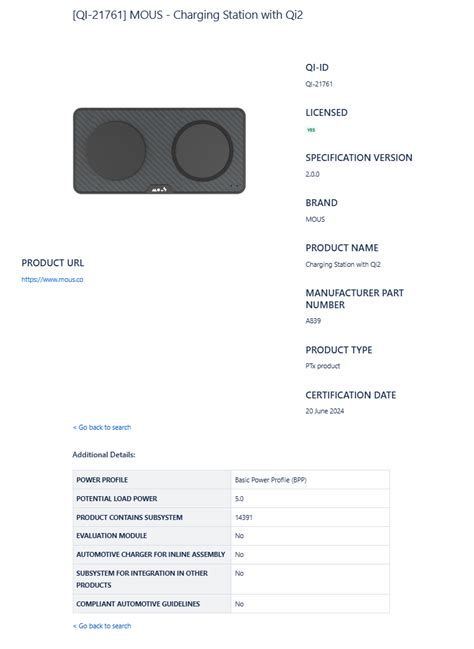
Practical example: at a desk, a user can place the Poco F7 on the Mous station and continue a video call while the device charges slowly and steadily. For commuters, the Mous station reduces the friction of grabbing a fully charged phone in the morning — provided the phone and case pair correctly with the charger.
Discover deals on Mobile Phones — updated daily.
Shop Amazon →- Case thickness matters: Very thick protective cases can interfere with magnetic alignment and reduce charging efficiency. For the best Mous experience use a case designed for wireless or magnetic charging.
- Thermal management: Wireless charging can warm the device. If the phone is in a heavy protective case during charging, expect slightly slower charging as thermal throttling engages.
- Placement is forgiving but not perfect: Qi2 magnetic alignment is a big improvement, but sideways knocks or very loose cases can still cause interruptions.
- Wired is still fastest: For power users who need a rapid 30–50% top-up before heading out, wired charging remains the most time-efficient option.
- Multi-user households: If several people share a charger, the universal Qi compatibility of legacy phones is an advantage. Qi2’s magnet benefits are best realized when all devices are Qi2-aware or have compatible cases.
Conclusion
The choice between buying the Mous Charging Station With Qi2 and the Xiaomi Poco F7 depends on which problem the buyer wants to solve. The Mous station is an accessory that improves the daily charging experience: it reduces fiddling, offers a convenient upright view, and can tidy a workspace. Its value is highest for owners whose phones already support Qi2 or who are willing to use a compatible case. The Xiaomi Poco F7, by contrast, is a fundamental device upgrade — it changes the core experience of calls, apps, media, and mobility.
For users with an otherwise satisfactory phone who feel burdened by cables and misaligned wireless pads, the Mous station delivers immediate, repeated convenience and is often the smarter short-term buy. For users whose phone is showing its age, has poor battery life, or lacks the performance needed for daily tasks, replacing the phone with a model like the Poco F7 is the more transformative investment. In many real-world households the optimal solution is both: a capable phone combined with a thoughtfully chosen charging station streamlines daily life — but if a single purchase must be chosen, let immediate pain points guide the decision.